Science at Mayflower
Through science we understand the world around us and we learn the processes and strategies of investigation and discovery. At Mayflower, science stimulates and excites pupils’ curiosity about events in the world around them. Contextualising the children’s learning in science encourages them to understand and relate what they are learning to their real lives in order to give them a better understanding of the world.
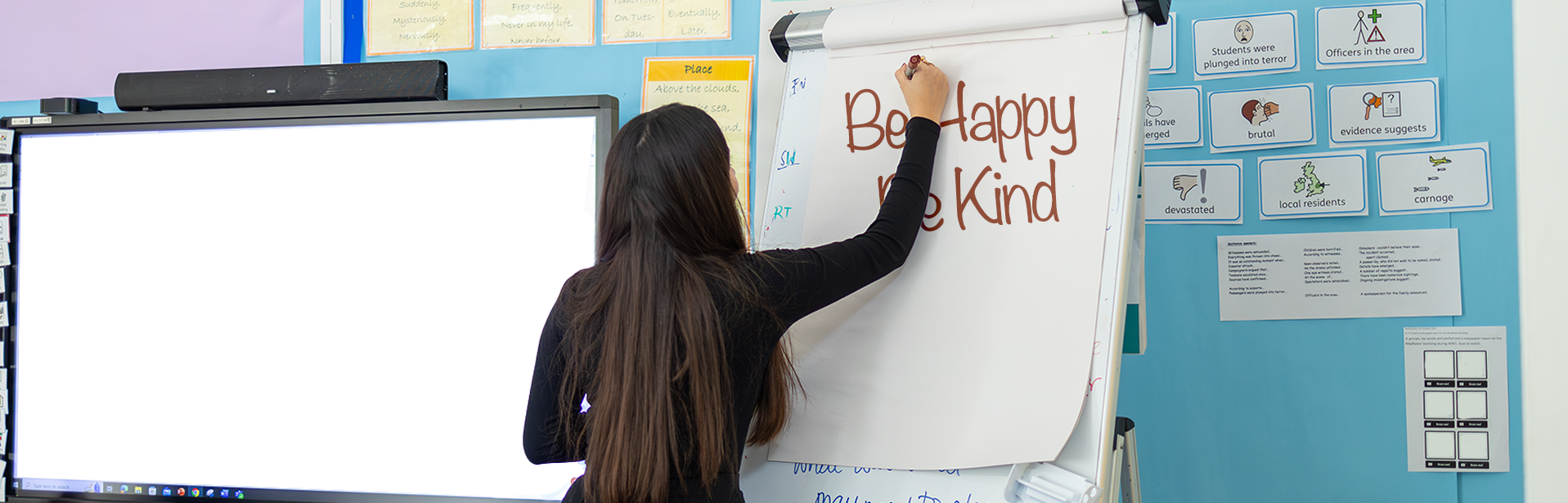
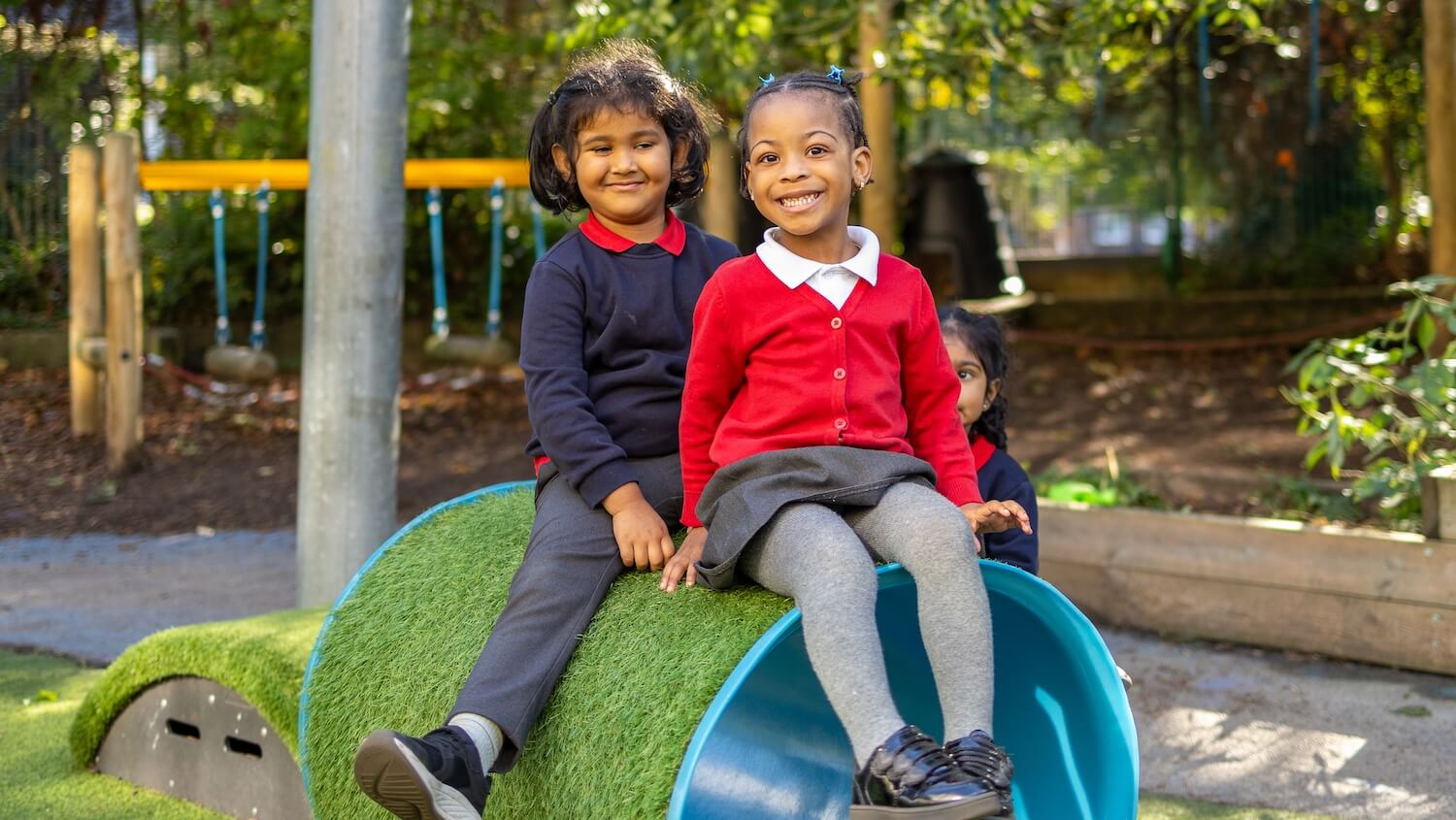
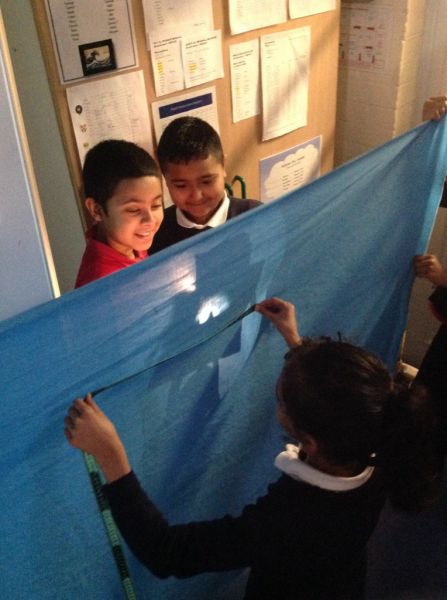
Hands on scientific enquiry is at the heart of science learning at Mayflower. Through this, we provide engaging stimuli that promote the children’s curiosity and enthusiasm, ensuring it is inclusive to all. Pupils develop not only their scientific knowledge, but also their skills in working scientifically. We do this by ensuring our topics are taught through practical activities which involve learning in the local area. We allow the children to see themselves as scientists and give them opportunities to develop their own questions and to consider ways of finding out answers. Risk taking and exploration is part of our everyday science learning, allowing children to be independent problem solvers.
Through science, we make links to other curriculum areas such as maths and make links between strategies that will help us become effective problem solvers. Each year, our science fair gives pupils the opportunity to share their enthusiasm for the subject with their peers and families. Our school gardener runs sessions with classes throughout the year linked to the curriculum. Activities include making linen from flax grown at the school, grinding wheat to bake bread and planting and harvesting vegetables.
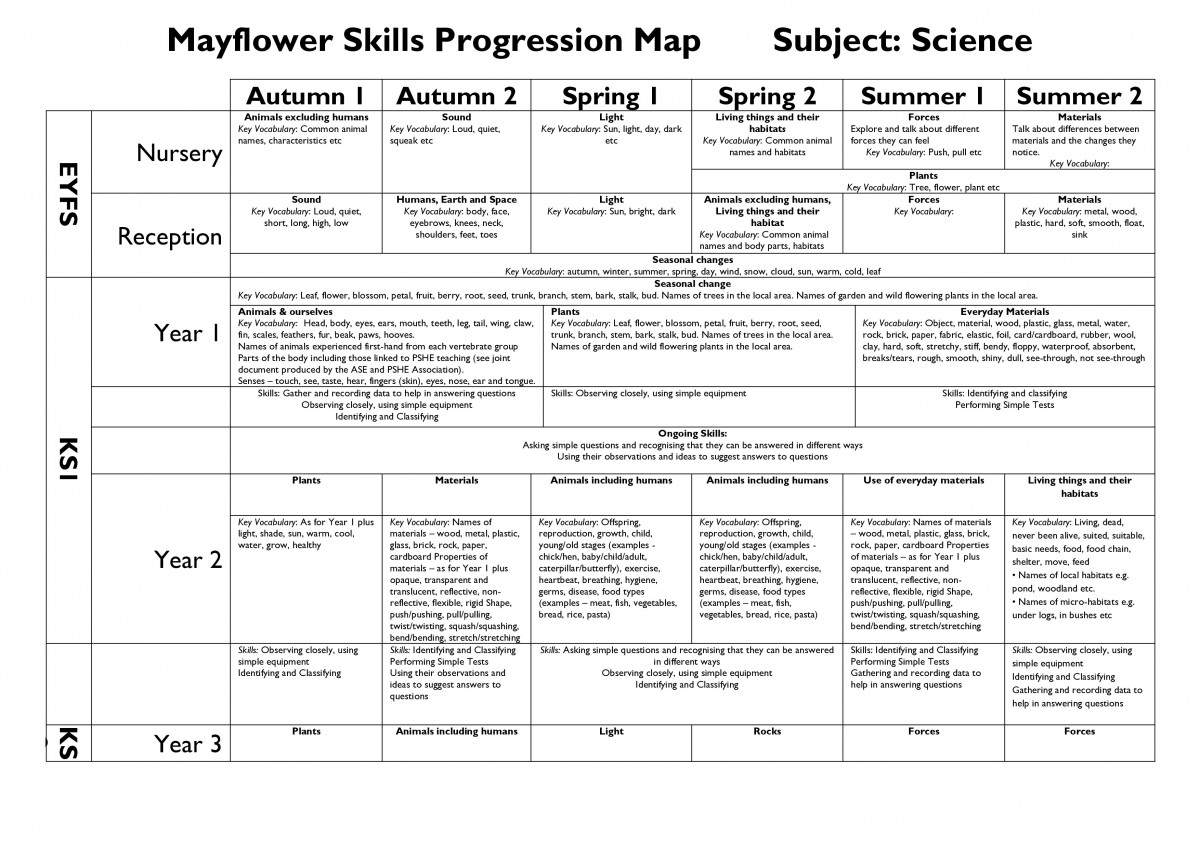
Progression Map